





















Cast Iron Cookware | Cast Iron Skillets | Cast Iron Frying Pans









How cast iron cookware performs
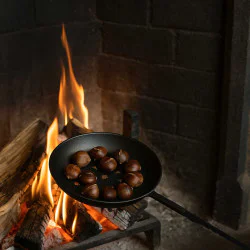
Cast iron is valued for its exceptional heat retention and its ability to distribute heat steadily across the cooking surface. This makes it particularly well suited to searing, browning, slow cooking and oven-to-table dishes. Unlike thinner cookware, cast iron continues to cook evenly after the heat is reduced, making it ideal for achieving an excellent sear while maintaining consistent cooking temperatures.
Skillets and how to use them
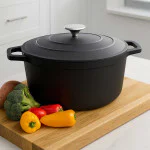
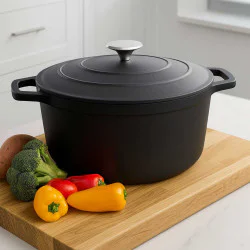
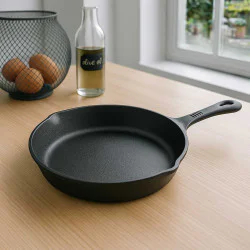
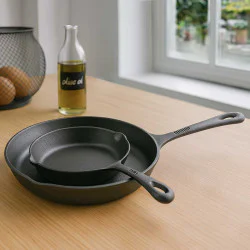
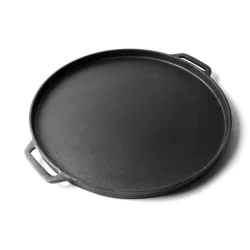
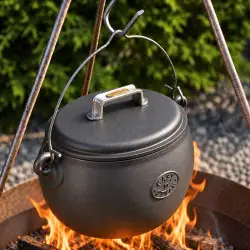
The category includes flat, shallow skillets that are ideal for frying, searing and sautéing, along with deeper, lidded casserole dishes and Dutch ovens that are better suited to stews, casseroles and long braises. Flat griddles provide a broad cooking surface for grilling meats, vegetables and other foods. Choosing between a shallow skillet and a deeper casserole dish depends on the cooking methods you use most often.
Finishes: seasoned and enamelled
Two common finishes are traditional seasoned cast iron and enamelled cast iron. Seasoned cookware develops a natural, increasingly non-stick cooking surface through regular use and light oiling, making it ideal for high-temperature cooking such as frying steaks and searing meat. Enamelled cast iron has a durable vitreous enamel coating that requires no seasoning and is well suited to casseroles, curries, soups and other sauce-based dishes. Enamelled cookware is generally easier to clean, while seasoned cast iron should always be hand washed and lightly oiled after use. Both finishes offer the same excellent heat retention and cooking performance.
Suitable for all hob types
Both seasoned and enamelled cast iron cookware can be used on gas, induction, halogen, ceramic and solid electric hobs. Cast iron is naturally magnetic, making it one of the best materials for induction cooking where it heats quickly and efficiently. On gas, halogen and electric hobs it provides steady, even heat and outstanding heat retention. Because cast iron stores heat so well, preheat the cookware gradually and, once hot, medium or low heat is usually all that is needed. On glass induction and halogen hobs, always lift rather than slide heavy cookware to help protect the cooking surface.
Care and maintenance of cast iron cookware
Simple, consistent care will preserve the performance of your cookware for many years. After cooking, remove any food residues while the pan is still warm. Seasoned cast iron should be hand washed, thoroughly dried and wiped with a light coating of cooking oil to maintain its protective seasoning. Enamelled cookware does not require seasoning and is easier to clean, although hand washing is recommended to help preserve its finish. For full care instructions, please see our dedicated care guide here.
Narrowing your choice
Think about the cooking methods you use most. Frequent frying and searing are best suited to a shallow skillet or griddle, while slow-cooked meals benefit from a deeper casserole or Dutch oven with a lid. The choice between seasoned and enamelled cast iron comes down to your preferred cooking style, appearance and the level of maintenance you are happy to carry out. Individual product pages provide full details on size, shape and finish to help you choose the right cookware for your kitchen.
