
















Wall Brackets: Your Most Common Questions Answered
Wall brackets may seem like a small detail, but they play an important role in both function and design. Whether you are installing kitchen shelving, adding character to a living room, or creating practical storage in a workspace, the right bracket makes all the difference.
In this guide, we answer the most common wall bracket questions to help you choose a bracket that is strong, secure and beautifully suited to your home.


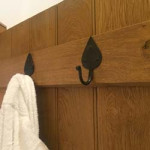
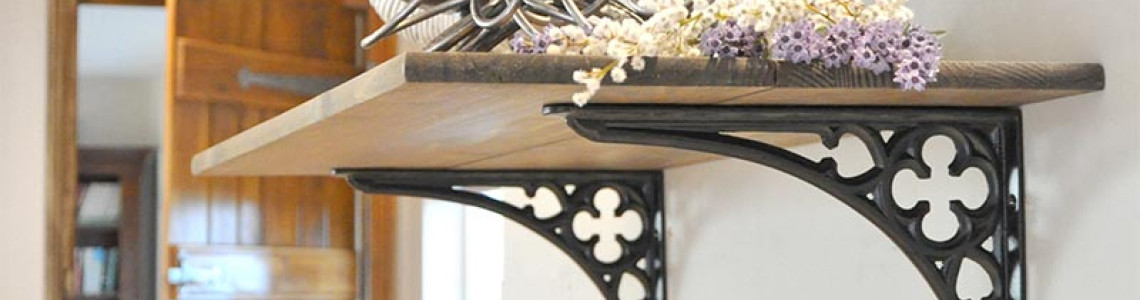
Cast Iron Brackets
Traditional, strong and full of character — ideal for classic shelving and period interiors.
View cast iron brackets
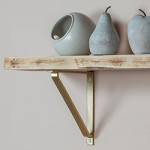
Brass & Chrome Brackets
Beautiful finishes for kitchens, bathrooms and elegant interior shelving.
View brass and chrome brackets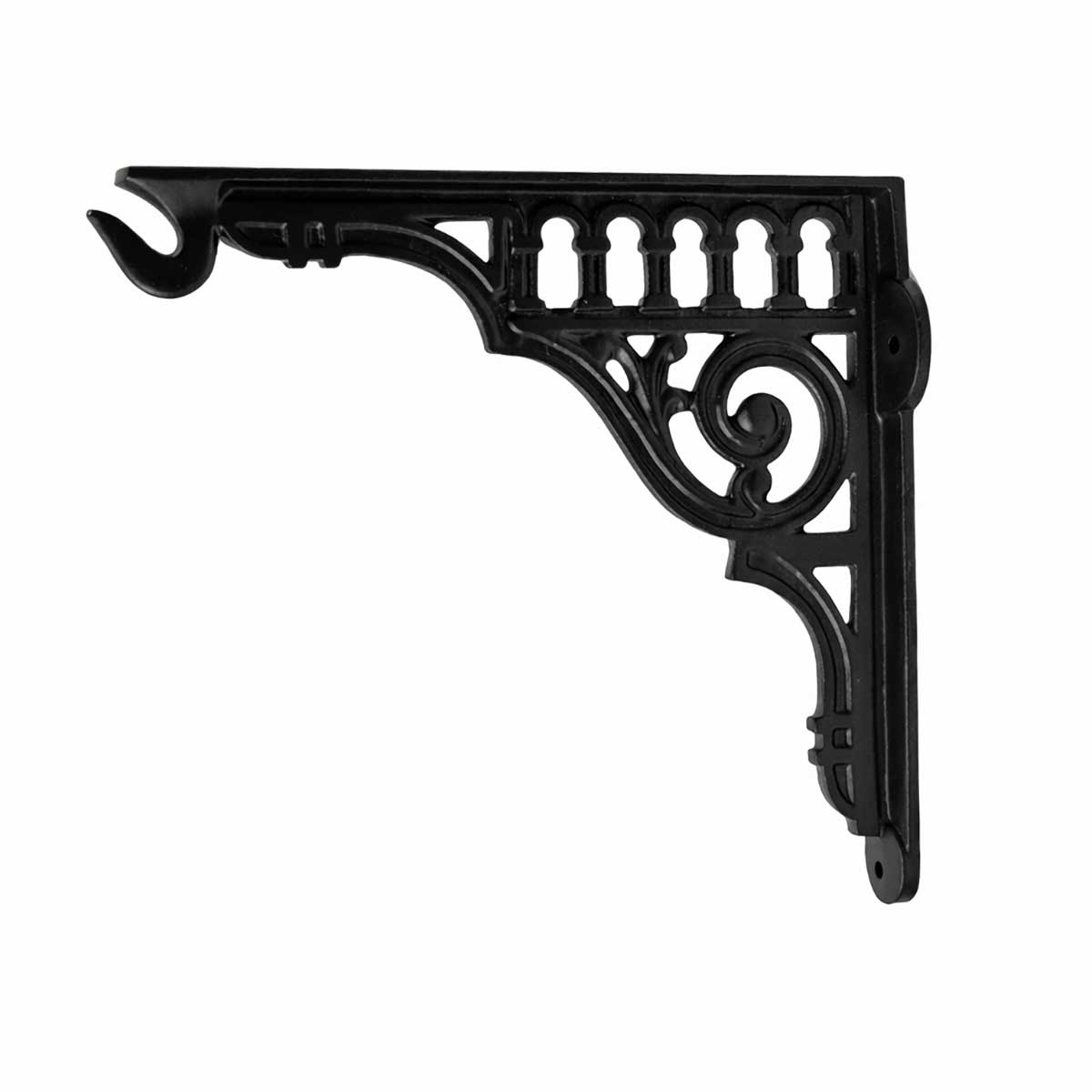
Hanging Basket Brackets
Decorative outdoor brackets for proudly displaying flower baskets.
View hanging basket bracketsWhat are wall brackets used for?
Wall brackets are structural supports designed to fix items securely to vertical surfaces. They are most commonly used for shelving, but their uses extend much further.
- Supporting shelves in kitchens, bathrooms and living areas
- Holding up countertops or breakfast bars
- Mounting radiators, basins or toilet cisterns
- Supporting mantelpieces above fireplaces
- Creating decorative exposed shelving displays
- Adding outdoor support for hanging baskets or garden features
Because brackets combine strength with style, they are a practical solution that can also become a design feature in their own right.
What materials are best for wall brackets?
Cast iron is a popular choice for traditional and industrial interiors. It is extremely strong, making it suitable for heavy-duty shelving and larger surfaces, while its textured finish adds authentic character.
Steel offers a cleaner, more contemporary look, often used in minimalist spaces.
Brass is ideal where a warmer, more decorative finish is wanted, especially in kitchens and bathrooms.
Wooden brackets give a softer, natural look, although they are usually less load-bearing than metal options.
How much weight can wall brackets hold?
There is no single answer because weight capacity depends on the material and size of the bracket, the number of brackets used, the wall type and the quality of the installation.
- Heavy-duty metal brackets can support significant loads when properly installed.
- Smaller decorative brackets are better suited to lighter items.
- Using more brackets distributes weight more evenly across the shelf.
- Correct wall fixings are just as important as the bracket itself.
Always check the product details and err on the side of caution. If you are unsure which bracket to choose, please contact Cast in Style and we will be happy to help.
How far apart should wall brackets be spaced?
Spacing is key to keeping shelves strong and stable. If brackets are too far apart, shelves may sag or even collapse under weight.
As a common guideline, place brackets every 60–90cm for standard shelving. For heavier loads, thicker shelves or softer wall materials, closer spacing is usually better.
Are wall brackets suitable for outdoor use?
Wall brackets can be used outdoors, provided you choose a suitable material and finish. Exposure to moisture and temperature changes means durability is essential.
Powder-coated iron brackets are a strong option for outdoor use. Our black cast iron brackets are powder coated to improve corrosion resistance and provide a relatively low-maintenance finish.
How do I choose the right size bracket?
Selecting the correct size is important for both safety and appearance. A bracket that is too small may not support the shelf properly, while one that is too large can look out of proportion.
A useful rule is that the bracket should support at least two-thirds of the shelf depth. For example, a 30cm deep shelf should usually have brackets around 20cm deep.
Also consider the thickness of the bracket, the intended load and the visual balance of the finished shelf.
Are wall brackets purely functional?
Not at all. Wall brackets are as much about design as they are about support. Decorative brackets in cast iron or brass can add character, charm and craftsmanship to a room.
Intricate patterns work beautifully in traditional or vintage interiors, while simple geometric shapes suit modern spaces. Exposed brackets are increasingly popular because they turn a practical support into a feature.

Centre Point Cast Iron Bracket
A decorative cast iron bracket suited to traditional shelving and classic interiors.
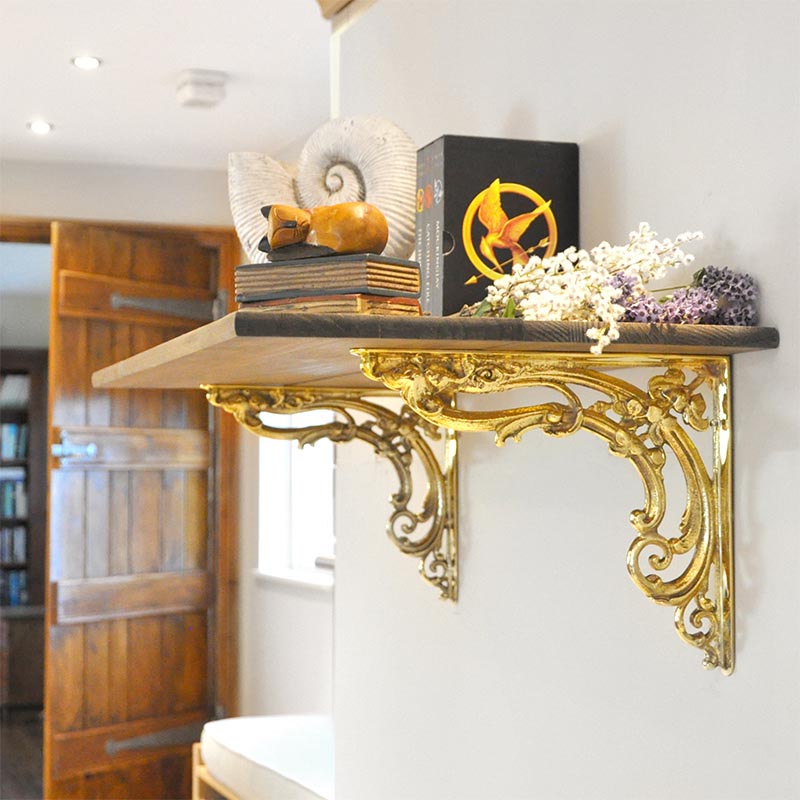
Brass Victorian Scroll Leaf Bracket
A decorative brass bracket with a classic scroll design and warm finish.
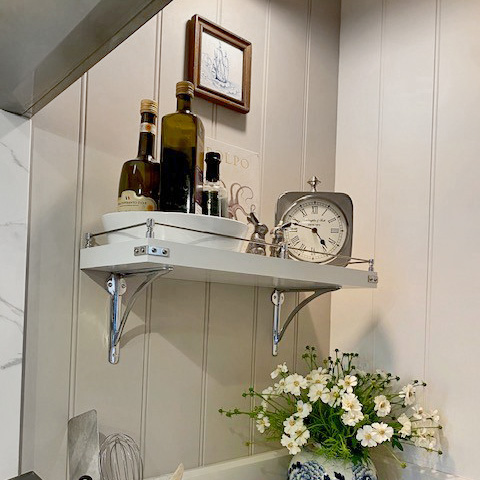
Chrome Ironbridge Bracket
A polished option for modern interiors, bathrooms and contemporary shelving.
How do I install wall brackets?
Installing wall brackets is straightforward, but precision matters. A poorly installed bracket can compromise both safety and appearance.
- Measure and mark the desired position carefully.
- Use a spirit level to ensure the brackets are aligned.
- Drill holes suitable for your wall type.
- Insert the correct wall plugs or anchors.
- Secure the brackets with strong screws.
- Double-check everything is level before adding weight.
For heavy-duty installations or uncertain wall types, professional assistance is worth considering.
Can I mix different styles of wall brackets?
Mixing styles can work well when it is done thoughtfully. Combining different materials or designs can create visual interest, but too much variation may look inconsistent.
- Keep to a consistent colour palette.
- Choose complementary shapes or finishes.
- Repeat certain design elements throughout the room.
- Use a feature finish, such as brass or black iron, deliberately.
Common mistakes to avoid
- Using the wrong fixings: always match fixings to the wall type.
- Overloading brackets: exceeding suitable loads can lead to failure.
- Incorrect spacing: poor spacing can cause sagging.
- Ignoring wall structure: heavy shelves need secure anchoring.
- Poor alignment: crooked brackets can spoil the finished look.
- Choosing style over strength: make sure the bracket suits the job.
How do I maintain wall brackets?
Maintenance depends on the material. Metal brackets should be wiped clean and checked for rust or wear. Cast iron may need repainting or resealing over time if the finish becomes damaged. Brass can be polished to maintain its shine, or left to develop a natural patina. Wooden brackets should be kept dry and treated periodically.
Where can wall brackets be used?
One of the biggest advantages of wall brackets is their versatility. They can be used in kitchens, bathrooms, living rooms, offices, garages, workshops and outdoor areas. From display shelving to garden baskets, the right bracket can solve a practical problem while adding a beautifully finished detail.
Final thoughts
Wall brackets may be small, but their impact is significant. They provide essential support while also contributing to the overall design of a space. By choosing the right material, size and style — and installing them correctly — you can create a result that is safe, durable and visually striking.
Whether you are undertaking a full renovation or simply adding a new shelf, taking time to choose the right bracket will help you achieve a beautifully finished result.

Leave a Comment